

Debunking common gambling myths what you really need to know
Understanding the Odds
One of the most prevalent myths about gambling is that players can beat the odds through intuition or luck. In reality, every game in a casino has a built-in house edge, meaning that the odds are always skewed in favor of the casino. For instance, in games like roulette or slots, the probabilities are mathematically calculated, making it impossible for players to predict outcomes based solely on past performances or gut feelings. If you’re looking to explore exciting options, consider our guide to payid casino experiences. Understanding these odds is crucial for any gambler wanting to approach gambling with a realistic mindset.
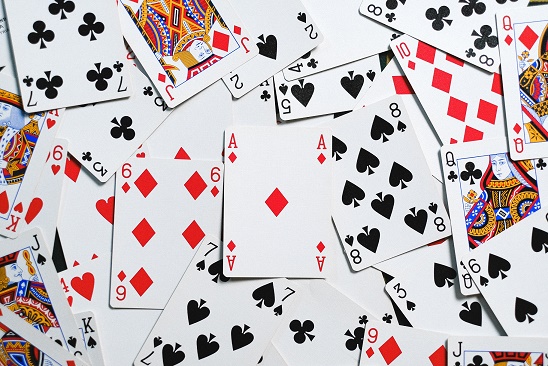
Moreover, the concept of probability is foundational in understanding gambling. Many players believe that if a particular number hasn’t appeared in a while, it is “due” to come up soon. This is known as the gambler’s fallacy, a misconception that previous outcomes can influence future results in random games. In reality, each spin of the wheel or each shuffle of the cards is an independent event, unaffected by what has happened before.
To truly grasp the odds, players should familiarize themselves with the rules and probabilities of the games they choose. Knowing the payout percentages can help individuals make more informed decisions. For example, while slot machines might appear enticing with flashy graphics and sounds, they often have lower payout rates compared to games like poker or blackjack, where skill and strategy come into play. Understanding these nuances empowers gamblers to manage their expectations and make informed choices.
Beliefs About Winning Strategies
Many gamblers are drawn to the idea of developing a “winning strategy” that can guarantee success. This myth perpetuates the belief that there exists a surefire way to beat the house. However, the reality is that most casino games are designed around probability and chance, making it nearly impossible to devise a foolproof strategy that consistently leads to wins. Even in games that involve skill, such as poker, players still face elements of luck that can swing the outcome unpredictably.
For example, some players believe that increasing their bet size during losing streaks will eventually lead to a win. This concept, known as the Martingale strategy, often leads to significant losses, as it requires a player to have an unlimited bankroll to cover their increasing bets. In practice, most players hit table limits before they can recover their losses, debunking the myth that increasing bets is a guaranteed path to winning.
Additionally, it’s essential to recognize that gambling should primarily be seen as a form of entertainment rather than a reliable source of income. Many experienced gamblers emphasize the importance of setting limits and knowing when to walk away. This approach not only mitigates the risk of severe losses but also enhances the overall enjoyment of the gaming experience. Understanding that luck plays a crucial role in gambling can help shift the focus from chasing losses to enjoying the game.
The Role of Skill in Gambling
A common misconception is that all gambling games are purely based on luck. While it is true that many casino games, like slots, rely heavily on chance, others, such as poker and blackjack, incorporate elements of skill and strategy. In poker, for instance, players must understand the nuances of the game, including the odds of drawing certain hands and the psychology of their opponents. This strategic component can significantly influence outcomes, demonstrating that skill can sometimes play a substantial role in gambling.
Moreover, those who invest time in learning the rules and strategies of certain games often experience better results than casual players. For example, in blackjack, players can use card counting techniques to improve their odds against the dealer. Although this method requires practice and concentration, it exemplifies how skillful play can enhance the chances of winning. Understanding when to hit, stand, or double down can greatly affect a player’s success.
It is important to remember that even in skill-based games, luck still holds a significant sway over results. For example, a skilled poker player may dominate a game but can still lose to an inexperienced player who gets lucky with the cards. This unpredictability is part of what makes gambling appealing, but it also underscores the importance of balancing skill with an acceptance of the role luck plays.
The Impact of Casino Environments on Gambling Behavior
Another prevalent myth is that the environment of a casino has no influence on gambling behavior. In reality, casinos are meticulously designed to create an atmosphere that encourages players to spend more time and money. From the absence of clocks to the intoxicating sounds of winning machines, every aspect is aimed at keeping players engaged. This environment can lead to impulsive decisions and can blur the lines between entertainment and compulsion.
Research indicates that the sensory elements of a casino—such as lighting, music, and even the layout of gaming tables—can significantly affect players’ emotions and decision-making processes. For instance, the excitement of a lively poker table can motivate individuals to bet larger amounts than they typically would. Understanding how these factors influence behavior is essential for responsible gambling.
Additionally, the availability of complimentary drinks and rewards programs further entices players to gamble more. While these perks can enhance the gaming experience, they can also lead to overspending and poor financial decisions. Recognizing the psychological tactics employed by casinos can empower players to resist these pressures and maintain control over their gambling habits, ultimately leading to a more enjoyable experience.
Exploring Safe Gambling Practices
To foster a more enjoyable and responsible gambling experience, it is crucial to debunk myths surrounding gambling practices. One common misconception is that gambling must always be a high-stakes activity to be enjoyable. In truth, many people find enjoyment in low-stakes games or simply participating for fun rather than profit. Engaging in smaller bets can still provide excitement without the financial strain associated with high-stakes gambling.
Moreover, setting limits is vital for maintaining a healthy relationship with gambling. Establishing a budget before you play ensures that you only gamble what you can afford to lose. It is essential to treat gambling as a form of entertainment rather than an investment strategy. Educating oneself about the risks and realities of gambling can help individuals approach their gaming experiences with a more measured perspective.
Resources for responsible gambling, such as self-exclusion programs and helplines, are widely available and serve as important tools for those who may need support. Understanding the importance of these resources can empower individuals to seek help if they find themselves struggling. Ultimately, being informed about the myths and realities of gambling can lead to a safer and more enjoyable gaming experience.