

Your Prepaid eSIM, Simplified: Instant Activation, No Hidden Fees
Tired of hunting for a local SIM card or paying surprise roaming fees every time you travel? A prepaid eSIM lets you buy a data plan online and activate it instantly on your compatible phone, all without fumbling with a tiny physical card. You get immediate connectivity and full control over your spending by choosing exactly how much data you need in advance. Simply scan a QR code from a provider, and you’re ready to stay online as soon as you land.
Why Travelers Are Switching to Digital SIM Cards
Travelers are switching to prepaid eSIMs because they eliminate the physical hassle of swapping SIM cards at airports or hunting for local vendors. Instant activation and seamless connectivity let you buy a data plan online and be online before you even land.
No more losing tiny SIMs or juggling multiple physical cards during a trip.
With a prepaid eSIM, you keep your home number active for calls and messages while using a local digital data plan—saving the cost and inconvenience of international roaming. It is a straightforward, portable solution that works across hundreds of destinations without ever needing to touch a plastic chip.
The Cost Advantage Over Traditional Roaming Plans
Traditional roaming plans often hit you with daily fees and per-MB charges that skyrocket your bill. With a prepaid eSIM, you pay a single flat rate for a data package that often costs less than a single day of roaming. The cost advantage is immediate, as you avoid surprise surcharges entirely. Here is how the savings stack up for a typical trip:
- Select and purchase a regional or country-specific eSIM plan online before departure.
- Activate it upon arrival, bypassing your carrier’s expensive daily roaming pass.
- Enjoy high-speed data for the entire trip at a fraction of the roaming price, with no hidden fees.
Instant Activation Without Physical Stores
Instant activation eliminates the need to locate a physical store upon arrival, a critical advantage for travelers with tight itineraries. A prepaid eSIM can be purchased and installed via a provider’s app or website before departure, becoming active the moment you land. This bypasses the common friction of hunting for a kiosk, queuing, or dealing with staff hours. The process relies solely on a device with an internet connection for setup, making the transition seamless. This removes a potential point of failure in trip logistics, allowing connectivity to be resolved before leaving home. The result is a direct, time-saving route to immediate connectivity that physical SIM cards cannot match.
Instant activation via prepaid eSIM removes the dependency on physical retail locations, providing connectivity before the journey begins through a straightforward digital purchase and setup.
How a Pay-As-You-Go eSIM Actually Works
A Pay-As-You-Go eSIM functions as a purely prepaid data profile stored directly on your device, bypassing a physical SIM card. You purchase a specific data package online—often in denominations like 1GB, 5GB, or 10GB—and receive a QR code or activation code. Scanning this installs the eSIM profile, which immediately deducts your chosen allowance. Once data is consumed or the time limit expires, the profile deactivates automatically; you simply buy another top-up from the same provider to keep going. How does it avoid hidden fees? It doesn’t require a contract or monthly billing, so you only pay for what you use upfront, with no surprises or auto-renewals. This makes it ideal for travelers or temporary use, as you control exactly when and how much data you spend, with instant activation and zero post-pay commitments.
Scanning a QR Code to Get Connected
Scanning a QR code is the fastest way to activate your prepaid eSIM. After purchasing your data plan, the provider instantly sends a unique QR code via email. Simply open your phone’s settings, navigate to mobile networks, and select “add eSIM.” Point your camera at the code; your device automatically downloads the digital carrier profile. The process takes under 60 seconds. No physical SIM tray, no waiting for delivery. You are online as soon as the scan completes. One QR code unlocks a prepaid eSIM’s entire connectivity, making it the ultimate plug-and-play solution for travelers. Follow this sequence:
- Open the eSIM confirmation email from your provider.
- On your phone, go to Settings > Cellular > Add eSIM.
- Scan the unique QR code displayed on your screen or printed sheet.
- Confirm the profile installation and label your line (e.g., “Travel Data”).
- Activate the new eSIM line under your cellular settings.
Managing Multiple Profiles on One Device
Managing multiple profiles on one device is a breeze with prepaid eSIMs. You can store several plans—say a local data pack for home and a separate travel eSIM—then simply toggle between them in your settings. This means switching between prepaid eSIM profiles takes seconds, with no need to swap physical cards. Just remember that your device usually allows only one active profile for cellular data at a time, but you can keep others dormant and ready to activate when needed. It’s perfect for testing different carriers or juggling work and personal lines without extra hardware.
Top Benefits for Frequent Flyers and Digital Nomads
For frequent flyers and digital nomads, the top benefit of a prepaid eSIM is the ability to land in a new country and be instantly online, eliminating the frantic search for local SIM cards or expensive roaming fees. You can switch between regional data plans with a few taps, keeping essential apps like maps and messaging active across borders. A key advantage is cost control: you pay a fixed price for a set data allowance, avoiding surprise bills. How does this beat a traditional SIM? A: Prepaid eSIMs allow you to manage and top up multiple country profiles directly from your phone’s settings, without needing a physical card or visiting a store, making seamless connectivity a core part of a mobile lifestyle.
Avoiding Hidden Fees and Expensive Overages
Traditional roaming can hit you with surprise charges for background data or accidental video streams. A prepaid eSIM kills that anxiety entirely. You load a set amount of data upfront—often with a clear price per gigabyte—so there are zero sneaky fees for going over. Once your data bucket empties, the connection simply stops; you never face a massive bill for an unnoticed update. This makes budget-conscious global travel simple and predictable. No fine-print clauses, no shock statements.
Prepaid eSIMs eliminate overage surprises by cutting off data when your plan runs out, ensuring you only pay for what you explicitly choose.
Keeping Your Primary Number Active Simultaneously

For frequent flyers, a prepaid eSIM enables simultaneous primary number retention without physical SIM swaps. Your primary SIM remains active for SMS and voice calls while the eSIM handles local data. This prevents losing verification codes from banks or two-factor authentication services, which often require your home number. The logic is simple: the eSIM manages foreign data plans, so your primary line stays online for critical alerts. Q: Does keeping my primary number active drain battery faster? A: Yes, because the device maintains two active radios simultaneously, though modern phones manage this with minimal impact—typically under 10% extra drain per day.
Which Devices Support This Technology
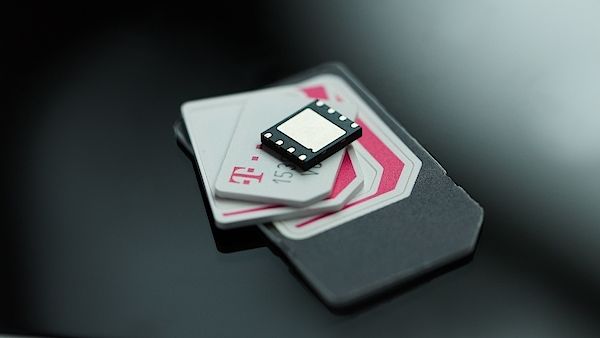
For prepaid eSIM, support comes down to your device being carrier-unlocked and eSIM-compatible. Most recent iPhones (XR and newer, except Chinese models), Google Pixels (3a and later), and Samsung Galaxy S20 or newer flagships work out of the box. Mid-range phones like the OnePlus Nord N20 or Motorola Edge 30 also handle prepaid eSIMs.
The key insight: always check your phone’s IMEI on the provider’s site before buying a prepaid eSIM—some locked or older models block switching between plans.
For Apple Watches and iPads, only cellular models with eSIM support prepaid data plans separately from your phone. Avoid older Android budget models, as many lack the necessary hardware.
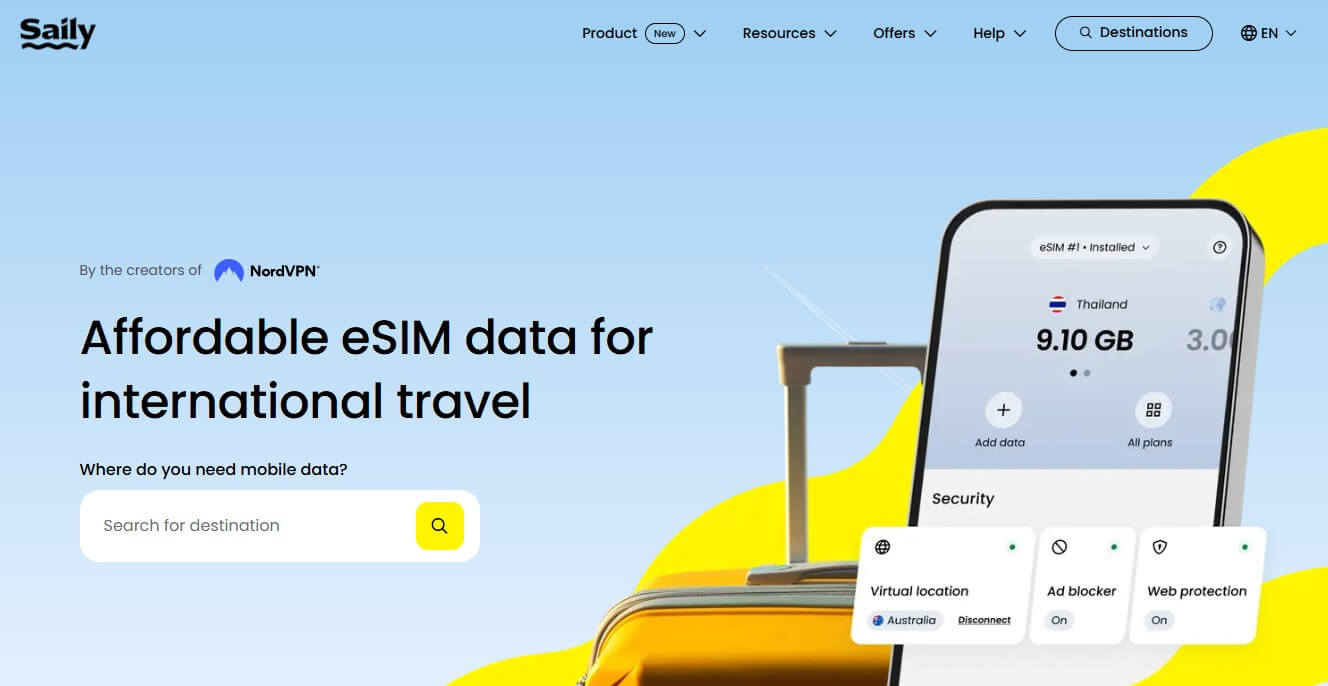
Latest Smartphones and Tablets With Built-In Support
For prepaid eSIM activation, the latest flagship smartphones and tablets now include native support directly from the manufacturer. Apple’s iPhone 14 and newer models sold in the U.S. are eSIM-only, relying entirely on built-in technology. Google’s Pixel 8 series and Samsung’s Galaxy S24 family offer seamless dual-SIM functionality through integrated embedded SIM hardware. Premium tablets like the iPad Pro (M4) and Galaxy Tab S9 series also feature built-in eSIM, enabling instant prepaid plan downloads without physical card slots. Mid-range devices like the Pixel 8a and Galaxy A55 similarly include this hardware, broadening accessibility for prepaid users.
Checking Compatibility Before You Buy
Before purchasing a prepaid eSIM, you must verify that your specific smartphone model supports eSIM profiles and that it is not carrier-locked to a different network. Check your phone’s IMEI or settings menu for an “Add eSIM” option; if missing, the device is incompatible. For Apple devices, iPhone XS and later models (except some Chinese variants) support eSIM. Android users should consult their manufacturer’s list, as support varies widely. Device unlock status is equally critical, as a locked phone will reject any third-party eSIM. Q: How can I test compatibility without risking money? A: Use a free eSIM trial from a provider like Airalo or Holafly; if it fails to install, your phone is incompatible.
Choosing the Best Plan for Short Trips vs. Long Stays
For short trips (1–7 days), prioritize a prepaid eSIM plan offering a high-data cap over a short validity period, typically 1–3GB per day, to avoid throttling. Always check if the plan includes unlimited data at reduced speeds after the high-speed limit, as this prevents overage charges. For long stays (weeks or months), select a plan with a longer validity (30–90 days) and a lower daily data allowance, as consistent, moderate usage is more economical than high burst allowances. Avoid buying multiple short-term top-ups, as long-term packages often include cost-per-GB discounts. Verify the plan supports network tethering if you need hotspot access, which is not always guaranteed on tourist-only eSIMs.
Flexible Data Packages by Day, Week, or Month
For short trips, flexible daily data packages offer precise cost control, activating only on days you use data and often starting at under $2 per GB. Weekly packages suit 5–10 day stays, bundling 3‑10 GB at a lower per‑GB rate than daily stacking. Monthly subscriptions optimize extended stays, providing 15–30 GB with automatic renewal and often throttled unlimited data after the cap, costing roughly $15–$30. Which package length is cheapest for a 14‑day trip? A weekly package typically beats daily plans by 30–50%, while a monthly package wastes unused days. Always confirm activation triggers—some eSIMs count from first use, others from purchase.
Regional vs. Global Coverage Options
For short trips, a regional prepaid eSIM often delivers unbeatable value, offering coverage across a handful of neighboring countries at a fraction of global plan costs. If your itinerary bounces between two connected regions, a single regional plan simplifies activation. For extended stays or multi-continent travel, global coverage eliminates the headache of switching eSIMs mid-journey. While global plans cost more, they provide seamless connectivity across dozens of countries, perfect for long hauls where borders shift. Evaluate your exact path: regional saves money for tight geographies, but global ensures you never lose signal on unpredictable long-stay routes.
| Coverage Type | Best For | Cost Efficiency | Ease of Use |
|---|---|---|---|
| Regional | Short trips within a specific zone (e.g., Europe, Asia) | High – pay only for needed countries | One-time install, no switching |
| Global | Long stays with unpredictable or multi-continent travel | Moderate – higher upfront, but no gaps | Single profile for all destinations |
Common Misconceptions About Digital Prepaid Connectivity
A major misconception is that prepaid eSIM connectivity is inherently less reliable than a physical SIM. In practice, the connection quality is identical—the difference is only the form factor, not the network access. Another common error is assuming you must replace your primary number; most prepaid eSIMs allow dual-SIM operation, letting your main line stay active. Users also mistakenly believe setup is complex or requires technical skills. In reality, a simple QR code scan activates service in minutes, and digital prepaid connectivity removes the need for a physical card swap, making switching between local plans while traveling seamless and risk-free.
Myths Around Speed Throttling and Network Prioritization
A prevalent myth is that all prepaid eSIM plans aggressively throttle speeds after a data quota is reached, but many operators simply deprioritize traffic during congestion rather than imposing a hard cap. Network prioritization does not equal throttling—your connection may slow in crowded areas due to postpaid users getting precedence, not because your plan has been artificially slowed. This distinction matters because a deprioritized connection often recovers once the network load eases, whereas throttling is a fixed speed limit. Q: Does deprioritization mean my prepaid eSIM is always slower?
A: No, it only reduces speeds during peak times on congested towers; you get full speeds in off-peak hours or on less crowded networks.
Security Concerns and How Providers Address Them
A common misconception is that prepaid eSIMs are less secure than physical SIMs due to their digital nature. In reality, providers address theft concerns by embedding the eSIM profile directly into the device’s secure element, making it physically unremovable. To counter remote hacking risks, they use end-to-end encrypted provisioning when downloading the profile, ensuring the activation data cannot be intercepted. Furthermore, providers mitigate cloning threats by linking the eSIM uniquely to the device’s hardware identifier; if the eSIM is deleted, it cannot be transferred to another phone without re-authentication. These protocols make digital prepaid connectivity often more secure than a removable physical card.
Step-by-Step Setup Guide for First-Time Users
First-time users should begin by ensuring their phone is unlocked and eSIM-compatible, often found in settings under “About Phone.” Next, purchase your prepaid eSIM plan from a provider like Airalo or Holafly, receiving a QR code or activation code via email. On your device, navigate to “Add Cellular Plan” and scan the QR code, or manually enter the details. Label this new plan as your data line to avoid confusion with your primary number, then set it as the default for cellular data. Finally, activate the plan upon arrival at your destination; some require a quick Wi-Fi connection to kickstart. Test by toggling airplane mode—your prepaid data should spring to life instantly, no physical SIM swap needed.
Purchasing and Downloading Your Digital Profile
To begin, first select your target country or region and analyze the available prepaid eSIM data packages. Once you choose a plan, you will purchase it through the provider’s app or website and immediately receive a QR code or manual activation code. You must then download the eSIM profile directly to your device; ensure you have a stable Wi-Fi connection, as activating it later requires flexible data plan activation only when you need data.
- Confirm your device’s eSIM compatibility before purchasing.
- Save the activation QR code or manual code in a secure location during download.
- Install the profile through your device’s mobile network settings without removing your physical SIM.
- Do not activate the plan until you are ready to use data in the destination.
Configuring APN Settings for Smooth Browsing
After installing your prepaid eSIM, configuring the APN (Access Point Name) settings is essential for establishing a data connection. Navigate to your device’s mobile network settings, select the new eSIM line, and manually add the APN provided in your eSIM confirmation email or app. Ensure fields like APN, username, and password are entered exactly as given, with no extra spaces. Save the settings and toggle mobile data off and on. This step resolves most browsing issues by linking your device to the carrier’s network. Correct APN configuration for prepaid eSIM eliminates connectivity errors and enables smooth browsing.
Configuring APN settings for prepaid eSIM involves entering provider-specific details under mobile network settings to restore data functionality.

Comparing Major Providers in the Market
When comparing major providers in the market for a prepaid eSIM, evaluate data allowances against valid durations. Airalo typically offers budget-friendly regional plans for short trips, but Holafly often provides unlimited data packages ideal for heavy users. For coverage flexibility, GigSky excels in multiple countries per plan, while Ubigi specializes in stable speeds within specific regions like Japan or Europe. Price per GB varies significantly; for example, Nomad frequently undercuts competitors on long-term global plans. Customer support response times also differ, with Holafly offering 24/7 live chat. To get the best value, prioritize a provider whose data speed policies and plan length match your specific travel itinerary rather than just the lowest upfront cost.
Price Differences Across Popular Carriers
Price differences across popular prepaid eSIM carriers are substantial, with budget-oriented international plans often starting under $5 for 1GB. Major carriers like Airalo and Holafly differ noticeably in cost per gigabyte, with regional plans generally cheaper than global options. Local carriers such as T-Mobile or Vodafone may offer significantly lower daily rates than resellers when traveling in their home countries. Short-term plans (7 days) frequently have higher per-day costs than monthly packages, while data-only eSIMs undercut plans with call/text allowances.
- Airalo’s regional Asia plan costs around $11 for 5GB, whereas a global plan from the Singapore eSIM same carrier costs $20 for 3GB.
- Holafly’s unlimited data for 15 days in Europe is roughly $47, while a capped 10GB alternative from Airalo is about $26 for the same duration.
- Local eSIMs from operators like Orange in France can be 30-50% cheaper than reseller rates for identical data volumes.
Customer Support and Refund Policies
When comparing prepaid eSIM providers, refund policy flexibility dictates risk. Most major players, like Airalo, enforce a strict no-refund policy once the eSIM is installed, even if unused. Holafly often provides refunds only within a narrow window (e.g., 24 hours) before data activation. Conversely, providers such as Maya Mobile offer prorated refunds for unused data after installation, which offers more user-friendly protection. For support channels, Airalo relies heavily on email ticketing with delayed response times, while Holafly provides 24/7 live chat for immediate troubleshooting. A clear, written policy on refund eligibility and a direct, fast support contact are critical criteria for selection.
| Provider | Refund Policy (Post-Installation) | Primary Support Channel |
|---|---|---|
| Airalo | No refunds allowed | Email ticketing |
| Holafly | Refund within 24 hours (before use) | 24/7 Live Chat |
| Maya Mobile | Prorated for unused data | Email & Chat |
Future Trends in No-Contract Mobile Data
The lane ahead for prepaid eSIM steers toward hyper-personalized, temporary data pods. Instead of monthly buckets, you’ll buy a 48-hour “film festival pass” with 20GB of speed-priority data, which auto-fades the moment the credits roll on your last movie. A traveler in Tokyo, for instance, could stack a global-calling add-on for only the 90 minutes she needs to book a ryokan, then let the subscription dissolve. The coming shift is micro-duration plans that sync with your calendar’s intent, not the calendar’s date. How will billing cycles feel different? You likely won’t notice them—your phone will quietly propose a 1-hour Zoom booster when your calendar detects a client call abroad, then refund unused data to your prepaid wallet. The friction of commitment vanishes, replaced by data that breathes with your day.

Integration With IoT and Smart Devices
Prepaid eSIMs are foundational for seamless IoT device provisioning, enabling direct, over-the-air activation without physical SIM swapping. For smart sensors or trackers, a prepaid eSIM profile can be remotely installed and configured to a specific, limited data pool, eliminating long-term carrier lock-in. The activation sequence follows a clear flow:
- Device scans a QR code or retrieves a profile via a local API to register with the network.
- The eSIM downloads a lightweight data-only profile tied to the prepaid balance.
- IoT firmware automatically establishes an encrypted session for telemetry, reliant on the prepaid quota.
This architecture permits instant data plan swaps for edge devices, adapting purely to consumption needs without hardware intervention.
Potential for Unlimited International Data Tiers
The potential for unlimited international data tiers in prepaid eSIM shifts from a luxury to a necessity for frequent travelers. Instead of buying local sims and juggling eSIM profiles, a single plan would offer uncapped data across dozens of countries. True global roaming without throttling becomes the core value, eliminating surprise charges and connectivity anxiety. This tier deprecates legacy roaming plans entirely by offering speed instead of dregs.
Q: Will unlimited international data tiers actually deliver high speeds everywhere?
A: Yes, as infrastructure parity improves, providers will guarantee consistent speeds globally, not just home-network priority.