

The evolution of casinos A journey through time and luck
The Origins of Gambling
The history of gambling dates back thousands of years, with evidence found in ancient civilizations such as Mesopotamia and China. In these early societies, various forms of games of chance were played, often involving simple mechanics like dice or betting on events. The allure of risking something valuable for the chance of a greater reward became a staple in human culture, reflecting a universal desire for luck and fortune. Rituals and ceremonies often accompanied these activities, emphasizing their importance in social structures. In the modern world, players can experience this thrill through platforms like mafia casino online.

As civilizations advanced, so did the sophistication of gambling. The Romans, for instance, established betting on gladiatorial contests, while the Chinese invented games using tiles, laying the groundwork for modern games. The invention of playing cards in the 9th century further diversified gambling options, leading to the rise of card games that became popular in European courts. Each cultural advancement brought new layers of complexity, making gambling not just a pastime but a reflection of societal values and beliefs.
By the 17th century, gambling had evolved into organized establishments where people could engage in various games in a regulated environment. The first casinos, known as ‘ridotti’ in Italy, marked the formalization of gambling, offering a mix of entertainment and risk. This shift contributed to the modern casino concept, establishing a foundation that would influence future gambling practices across the globe.
The Rise of Land-Based Casinos
The 18th and 19th centuries saw the proliferation of land-based casinos, particularly in Europe and the United States. As societies became more urbanized, these establishments offered a social gathering place where individuals could indulge in games of chance. Notable casinos like Casino de Monte-Carlo in Monaco became symbols of luxury and wealth, attracting high society and tourists alike. These venues not only focused on gambling but also provided entertainment, dining, and glamorous social events.
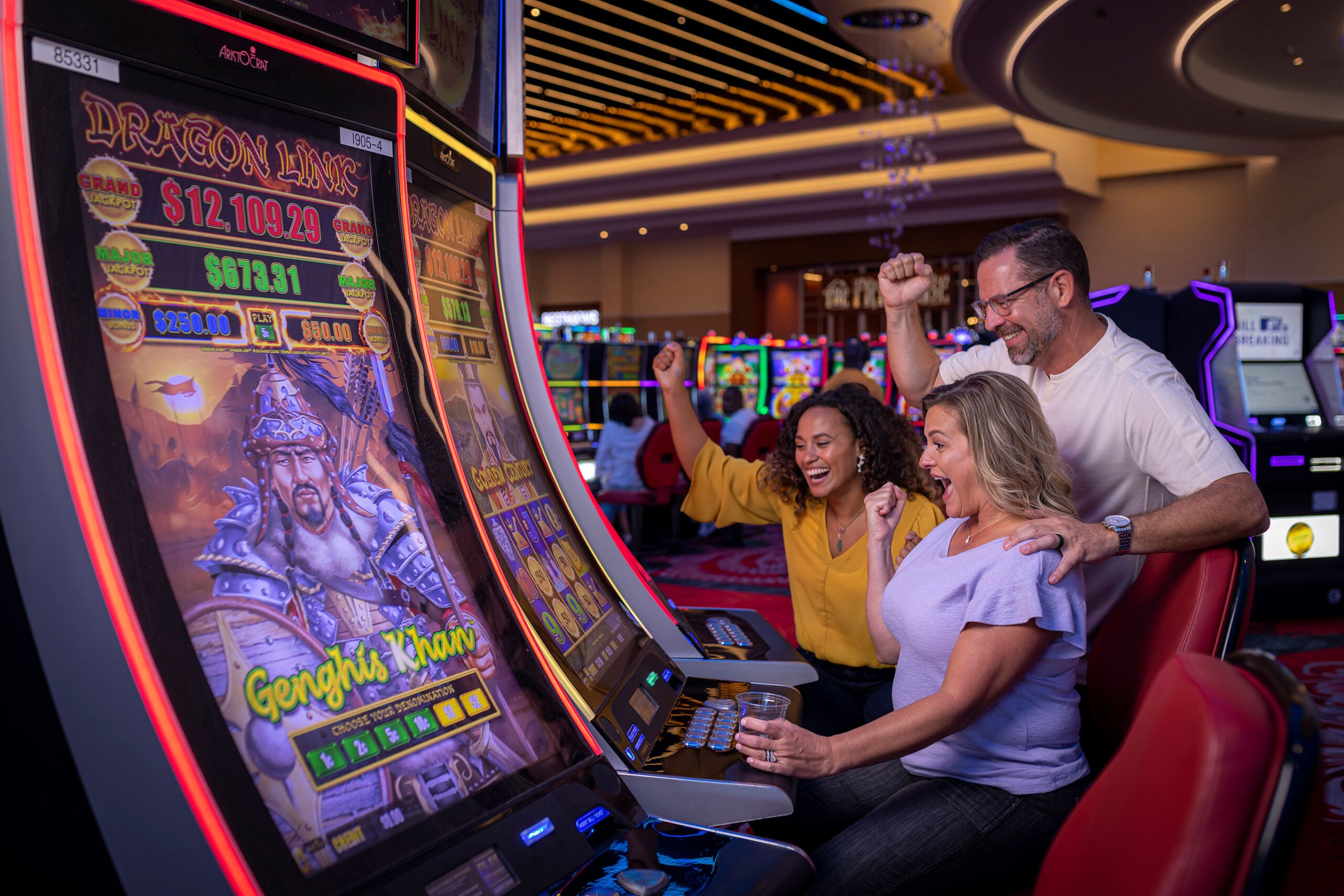
The introduction of slot machines in the late 19th century marked a significant turning point in the casino experience. These mechanical games provided an easy entry point for casual gamblers who might not be familiar with more complex table games. With bright lights and the potential for immediate rewards, slot machines quickly became a staple in casinos, drawing in a diverse range of patrons. The simplicity of these games contrasted with the strategy required for traditional card games, catering to different gambling preferences.
Throughout the 20th century, the legalization of casinos in various parts of the world, including Las Vegas and Atlantic City, further revolutionized the industry. The iconic Las Vegas Strip emerged as a hub of entertainment, combining themed resorts, high-stakes games, and extravagant shows. Casinos became more than just places to gamble; they evolved into comprehensive entertainment complexes, reflecting a broader shift in how society viewed gaming and leisure.
The Digital Transformation
The advent of the internet in the late 20th century transformed countless industries, and gambling was no exception. The first online casinos emerged in the mid-1990s, offering a virtual alternative to traditional gaming establishments. Players could now access their favorite games from the comfort of their homes, breaking geographical barriers that once limited access. This shift sparked a new era in gambling, where convenience became a critical factor for players.
Online casinos quickly adapted to technological advancements, incorporating advanced graphics and interactive features. Software providers began to develop a wide variety of games, ensuring that players could experience everything from classic table games to innovative slots with immersive storylines. The introduction of live dealer games in the 2000s further bridged the gap between online and offline gaming by allowing players to interact with real dealers in real-time through video streaming, enhancing the overall gaming experience.
As online gambling continued to grow, the regulation became crucial in ensuring fair play and player protection. Many jurisdictions established licensing and regulatory frameworks for online casinos, leading to a more secure environment for players. This development has not only fostered trust among users but has also encouraged the expansion of the online gambling market. Today, online platforms cater to a global audience, significantly changing the landscape of the gambling industry.
The Rise of Mobile Gaming
The rapid advancement of mobile technology in the 21st century further propelled the evolution of casinos. As smartphones became ubiquitous, online casinos quickly adapted their platforms to provide mobile-friendly options. This allowed players to enjoy their favorite games anytime and anywhere, making gambling more accessible than ever before. Mobile apps and responsive websites optimized user experience, ensuring seamless navigation and gameplay on smaller screens.
Mobile gaming introduced new features such as push notifications and in-app bonuses, enhancing player engagement. These innovations provided personalized experiences and real-time updates on promotions, making players feel valued. The social aspects of gaming also flourished, as many mobile platforms incorporated social media sharing and multiplayer options, allowing friends to connect and compete against each other, further enriching the gaming experience.
As technology continues to evolve, mobile casinos are expected to leverage advancements such as augmented reality (AR) and virtual reality (VR). These immersive technologies have the potential to create even more engaging gaming environments, simulating the atmosphere of a land-based casino while maintaining the convenience of mobile access. The future of mobile gaming in the casino industry appears promising, with endless possibilities for innovation and interaction.
Mafia Casino: The Future of Gaming
Mafia Casino is a prime example of how modern technology is shaping the future of gaming. Launched in 2025, it provides an innovative online platform that combines a diverse range of games with a dynamic sportsbook. Catering primarily to New Zealand players, Mafia Casino stands out with its welcoming bonus, offering 100% up to €500 and 200 free spins for newcomers. This generous promotion invites players to explore the extensive catalog while enjoying robust security measures.
The platform features a rich selection of thousands of games, including popular slots and live dealer options, ensuring that there is something for everyone. Mafia Casino prioritizes user experience with 24/7 customer support and fast payment options, allowing players to focus on what matters most—the thrill of the game. Regular promotions and updates keep the gaming environment fresh and exciting, further establishing Mafia Casino as a premier destination for online gaming enthusiasts.
As online casinos like Mafia Casino continue to evolve, they reflect the ongoing trends and demands of modern gamers. With a commitment to excellence and an engaging user experience, Mafia Casino not only offers an array of gaming options but also symbolizes the future of casinos as they adapt to the changing landscape of entertainment and technology. This journey through time and luck showcases how far the casino industry has come and where it is headed next.